With another couple of weeks of warm weather forecast (looks like we might actually have a decent summer with glorious May we have already have – but whisper this quietly we don’t want to jinx it).
But with the increase in temperature the temptation to jump into open water rises, but this can be quite dangerous.
Around 85% of accidental drowning happen every year at open water sites. People’s lack of knowledge and understanding of open water safety is the main reason these happen.
Yorkshire being the biggest county has quite a few open water places, we don’t want you to not enter water and have fun, we just want you to do it safely and enjoy yourself. After all after a good days hiking I love to cool down in open water.
Open Water:
Before we go on lefts define what open water swimming is. Open water swimming takes place in bodies of water which is outside. Such as lakes, canals, rivers, reservoirs and quarries.
Flat water:
Flat water is defined as water that has very little movement, (excluding for locally induced wind currents). Examples of flat water is lakes, ponds, quarry pool, lochs, reservoirs.
Flat water found in lakes and lochs is often the safest open water. Water always comes with an inherent risk and you must always take care and be aware of your surroundings.
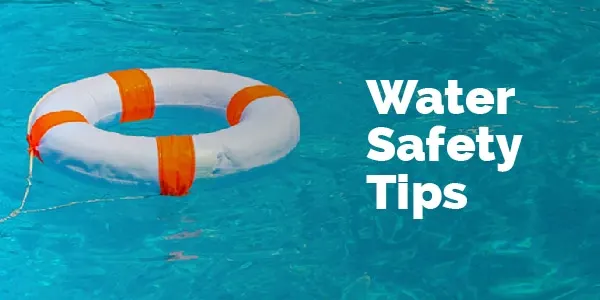
Open Water Safety Tips
The conditions at open water sites change constantly, so check even if you have been before.
- Always look for guidance and warning signs
- Always Swim parallel with the shore, not away from it
- Avoid drifting in the currents
- Do not enter fast flowing water
- Be aware of underwater hazards
- Get out of the water as soon as you start to feel cold
- Never enter the water after consuming alcohol or drugs
- Only enter the water in areas with adequate supervision and rescue cover
- Always wear a buoyancy aid or lifejacket for activities on the water or at the water’s edge (such as when boating or fishing)
- Always take someone with you when you go into or near water. If something goes wrong they will be able to get help
- If someone is in difficulty in the water shout reassurance to them and shout for help and call the emergency services (call 999 or 112)
- Without endangering yourself see if you can reach out to them with a stick, pole or item of clothing – lie down to ensure you stay secure. Alternatively throw something buoyant to them such as a ring buoy or anything that will float
Don’t:
- Swim at unsupervised (un-lifeguarded sites) including lakes, quarries reservoirs and rivers
- Jump into the water until you have acclimatised to the water temperature
- Jump into the water from heights or ‘tombstone’
- Swim into deep water which will be colder
Do:
- Swim at supervised (lifeguarded) sites
- Swim parallel with the shore, where you can quickly get to safety
- Swim with friends or family, so that you can help each other if you need to
- Look for signs and advice about the specific dangers at the place where you are swimming
- Think about what you will do if something goes wrong
- Contact a reputable outdoor pursuits or coasteering centre if you want to take part in more extreme activities
Dangers of open water include:
- The height of the fall or jump if tombstoning
- The depth of the water – this changes and is unpredictable
- Submerged objects may not be visible
- Obstacles or other people in the water
- Lack of safety equipment and increased difficulty for rescue
- The shock of cold water can make swimming difficult and increase the difficulty in getting out of the water
- Strong currents can rapidly sweep people away
- Uneven banks and river beds
- Water quality eg toxic algal blooms and industrial/agricultural pollution
All of these hazards can be controlled through proper organisation and planning.
Do’s, Don’ts and the Dangers of Open water Swimming
If someone is in difficulty in the water
- Shout reassurance to them and shout for help and ensure the emergency services are on their way (call 999 or 112)
- Without endangering yourself, see if you can reach out to them, extend your reach with a stick, pole, item of clothing, lie down or stay secure. Alternatively throw something buoyant to them such as a ring buoy, part filled plastic container, ball or anything that will float.
- Keep your eye on them all the time and shout reassurance urging them to propel themselves to safety.