Embarking on an outdoor adventure requires the right gear, and choosing between a 3-season and a 4-season tent is a crucial decision for any camper.
This guide dives into the distinctions between these two tent types, helping you understand their features, benefits, and limitations.
Whether you’re planning a serene summer escape or braving the winter wilderness, knowing the differences will ensure you select the perfect shelter for your journey.
What Is a Three-Season Tent?
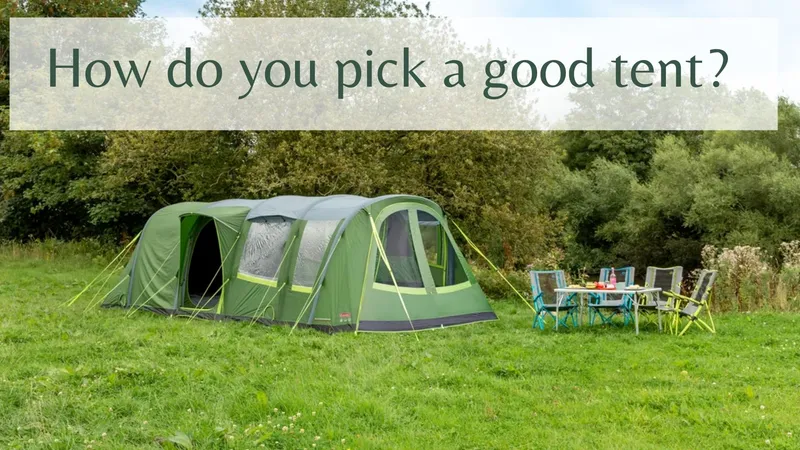
A three-season tent is engineered for optimal breathability and airflow, catering to the needs of campers during spring, summer, and fall.
These tents are typically made from lightweight materials such as polyester or nylon, incorporating extensive mesh panels to maximise ventilation and minimise condensation.
A key feature is the inclusion of a rain fly, which adds a second layer of protection against rain, while maintaining a lightweight and compact design for ease of transport.
When Should You Use Three-Season Tents?
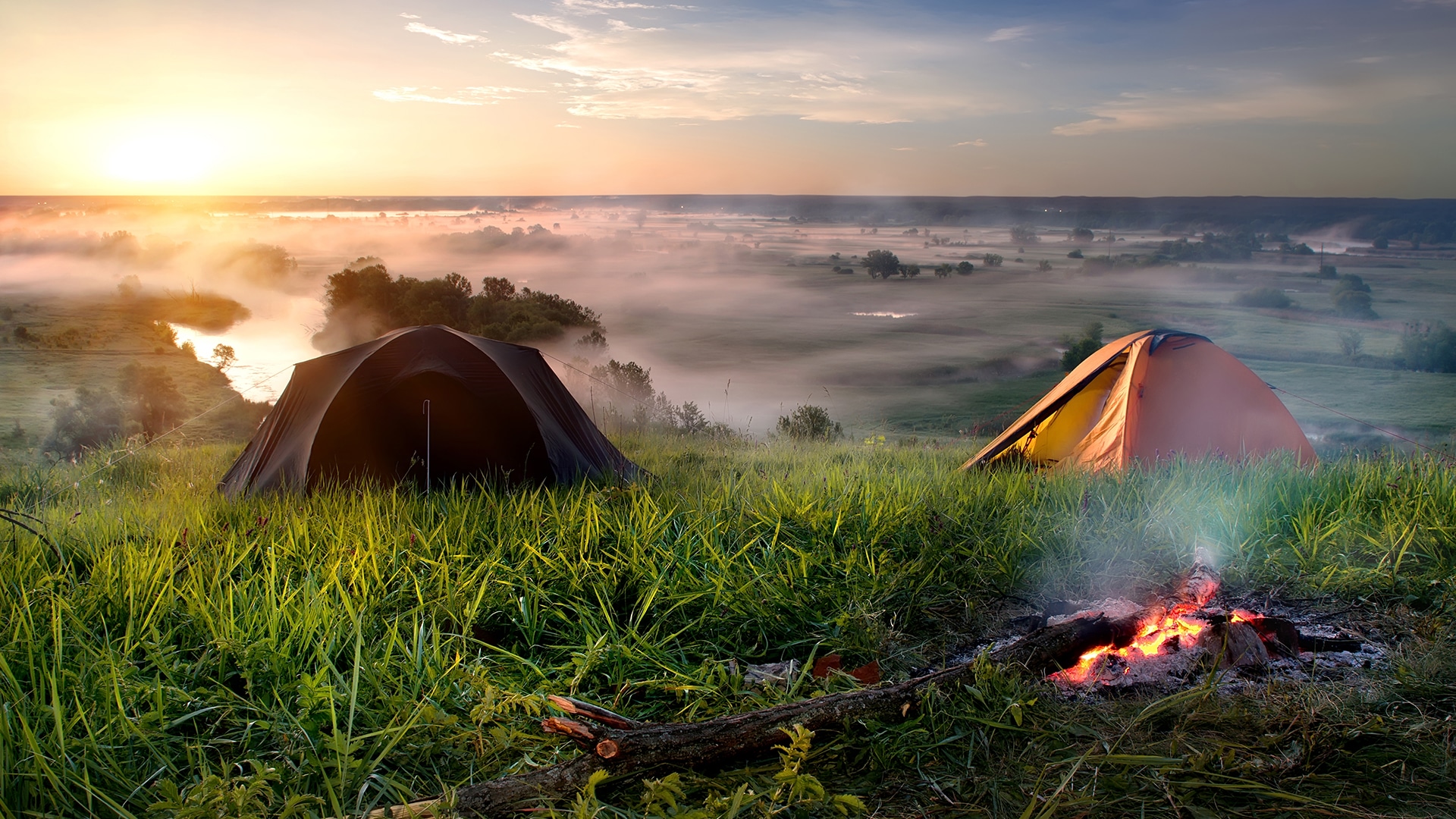
Three-season tents are ideal for camping in mild-to-moderate weather conditions across spring, summer, and fall.
They are designed to handle mild winter climates, moderate winds, rain, and light snowfall.
These tents are versatile, suitable for a wide range of outdoor activities, excluding only the most extreme winter conditions.
Pros and Cons of Three-Season Tents
Pros:
- Lightweight and portable, facilitating easy transportation and setup.
- Enhanced ventilation helps in reducing condensation and maintaining comfort during warmer conditions.
- Generally more affordable than four-season tents, offering good value for protection in many camping scenarios.
- Versatile enough to provide adequate shelter from the elements across a variety of conditions.
CONS:
- Less durable against harsh weather conditions such as heavy rain, strong winds, or heavy snow.
- May not retain heat as effectively as four-season tents, making them less suitable for cold weather camping.
- Potential need for an additional tent for winter camping in extreme conditions, leading to extra investment.
What Is a Four-Season Tent?
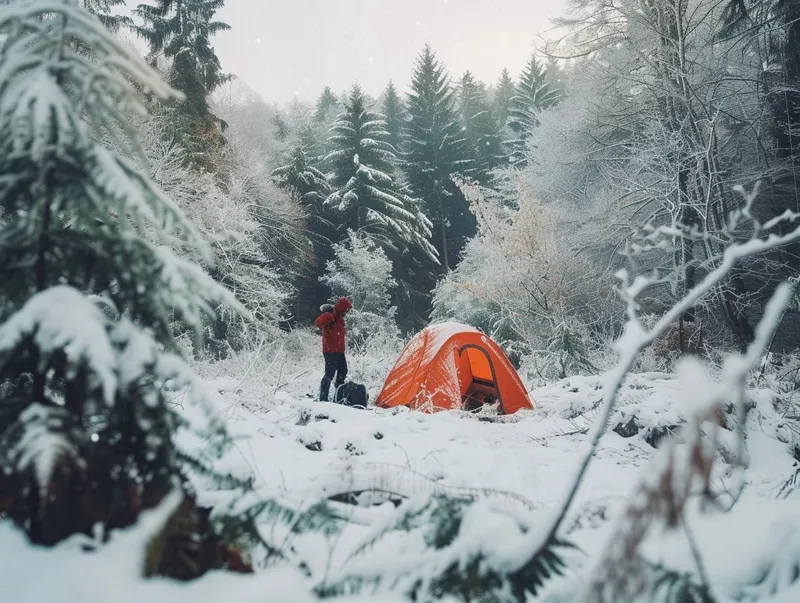
Four-season tents, also known as winter tents, prioritise durability, stability, and warmth over lightness and breathability.
Constructed from heavier-duty materials, these tents feature minimal mesh to conserve heat, reinforced seams, and sturdy poles designed to withstand windy conditions, heavy snow, and sometimes heavy rain.
Their design often includes features like geodesic or dome shapes for stability and additional guy lines for enhanced security against the elements.
When Should You Use Four-Season Tents?
Four-season tents are best suited for winter camping, mountaineering, and expeditions in extreme cold temperatures, heavy snow, or high winds.
They are designed to perform well in any season when faced with severe weather conditions, making them the go-to choice for adventurers who encounter or anticipate challenging outdoor environments.
Pros and Cons of Four-Season Tents
Pros:
- Offer superior durability and stability, capable of withstanding extreme weather conditions.
- More insulated design helps to retain heat, providing a warmer interior in cold conditions.
- Versatile for year-round use, even in extreme conditions, making them a valuable investment for serious campers.
CONS:
- Heavier and bulkier than three-season tents, which may limit their suitability for backpacking.
- Generally more expensive, reflecting their enhanced capabilities and materials.
- Can become stuffy in warm weather due to limited ventilation compared to three-season tents.
How to Choose the Right Tent for Your Needs
Selecting the right tent involves considering the specific conditions in which you plan to camp.
For most camping scenarios, a three-season tent offers a balance of ventilation, portability, and protection.
However, if you anticipate camping in extreme winter conditions or engaging in high-altitude mountaineering, a four-season tent becomes essential for its durability and ability to retain warmth.
Evaluate your camping habits, the typical weather conditions you face, and your budget to make an informed decision that ensures comfort, safety, and enjoyment on your outdoor adventures.
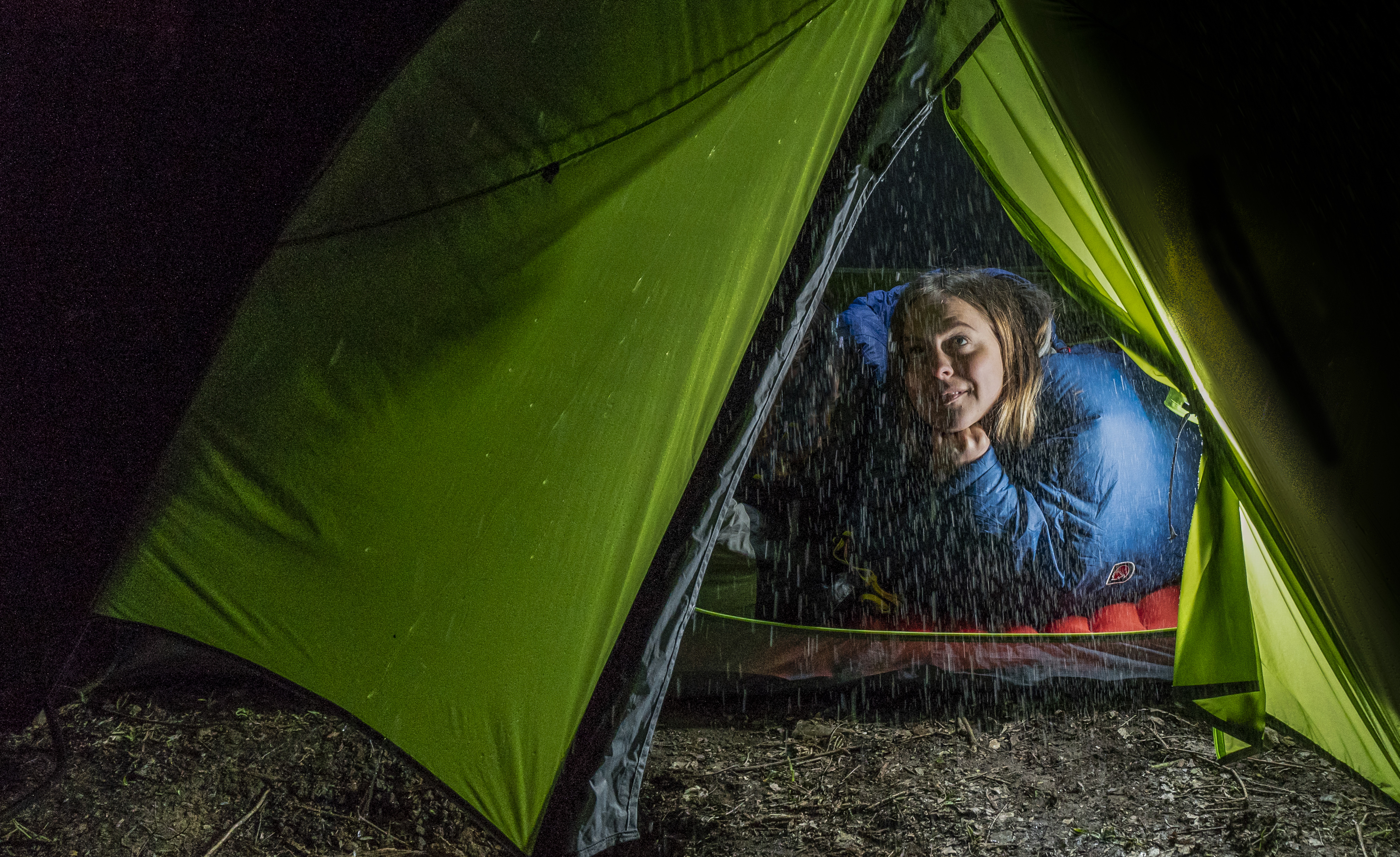
Selecting the right tent is more than a matter of preference; it’s about matching your shelter to the conditions you’ll face.
With the insights from this guide, you’re now equipped to make an informed decision between a 3-season and a 4-season tent.
Consider your camping habits, the typical weather conditions, and your adventure goals to choose the tent that will serve as your home away from home, no matter where your travels take you.
Happy camping!